Unveiling the Healthy Side of Indo-Chinese Dishes: A Perfect Fusion of Nutrition and Flavors
Category : | Sub Category : Posted on 2023-10-30 21:24:53
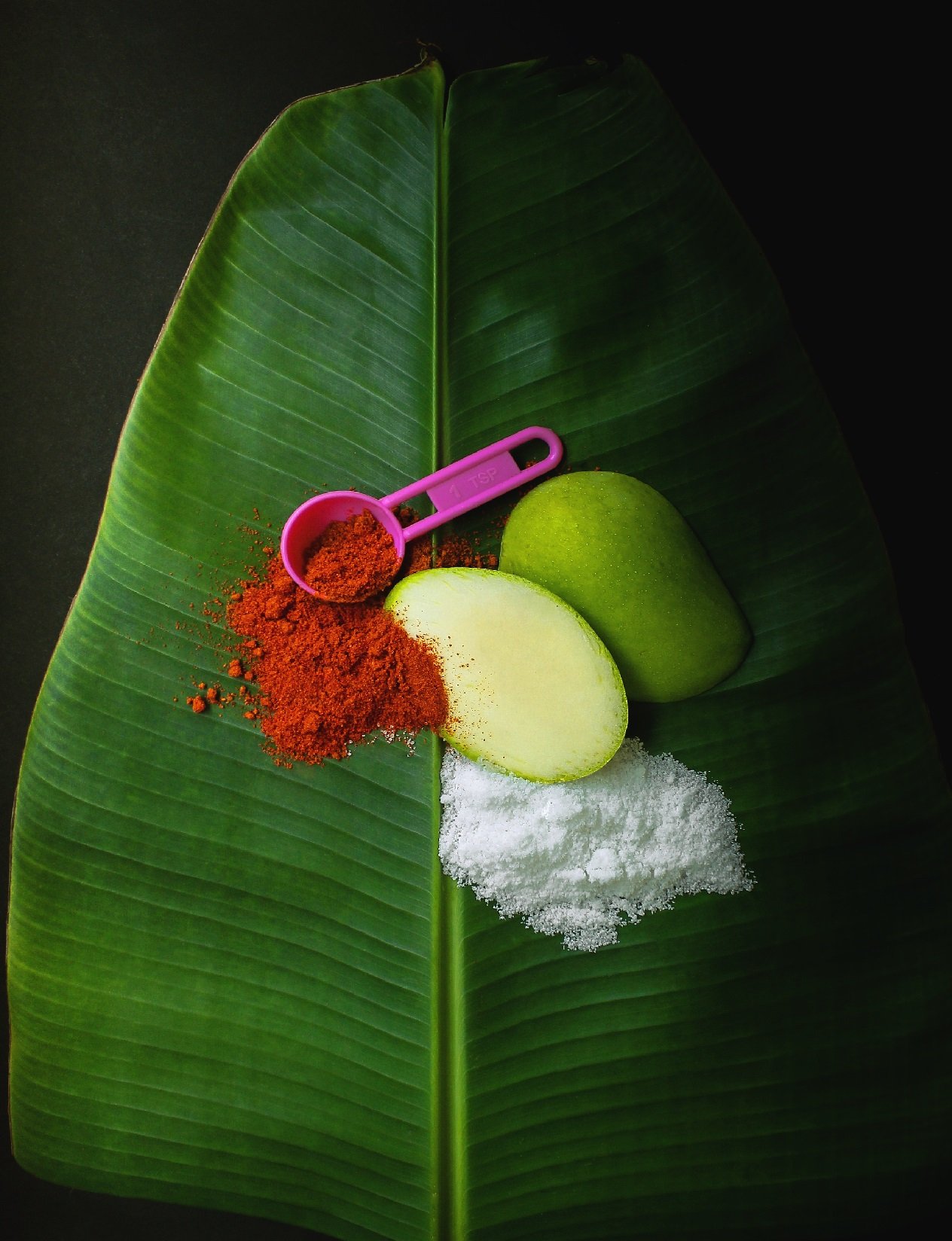
Introduction: The world of cuisine holds endless possibilities, and one of the most beloved culinary fusions is Indo-Chinese cuisine. Combining the bold flavors of Indian spices with the subtle nuances of Chinese cooking techniques, Indo-Chinese dishes have become a staple for food lovers around the globe. However, many people hesitate to indulge in this delicious cuisine due to concerns about its nutritional value. In this blog post, we will demystify the perceived notions and uncover the healthy side of Indo-Chinese dishes. 1. The Power of Ingredients: Although some Indo-Chinese dishes are deep-fried or high in sodium, it is important to remember that not all of them fall into this category. Many dishes offer a range of nutritious ingredients that can add to your overall well-being. For instance, vegetables like bell peppers, cabbage, carrots, and beans are commonly used, providing essential vitamins, minerals, and dietary fiber. 2. Balancing Macronutrients: Indo-Chinese cuisine is known for its balanced approach to macronutrients carbohydrates, proteins, and fats offering a wholesome meal. Rice and noodles form the base of many dishes, providing energy-rich carbohydrates. Meanwhile, proteins are incorporated through ingredients like tofu, chicken, shrimp, and paneer, supplying essential amino acids. The judicious use of oils and stir-frying techniques ensures that fat is kept to a minimum level. 3. Flavorful and Aromatic Spices: Indian cuisine relies heavily on aromatic spices, which not only bring depth of flavor but also have health benefits. Common spices used in Indo-Chinese dishes, such as ginger, garlic, turmeric, and chili, possess antimicrobial and anti-inflammatory properties. These spices play a vital role in enhancing the taste while offering potential health benefits. 4. Smart Cooking Techniques: Traditional Chinese cooking techniques, such as stir-frying and steaming, are incorporated into Indo-Chinese cuisine. These methods require minimal oil, which helps reduce excessive fat consumption. Stir-frying ensures that vegetables retain their nutrients and vibrant colors, while steaming preserves the natural flavors and integrity of the ingredients. 5. Portion Control and Mindful Eating: While it's tempting to indulge in large portions of your favorite Indo-Chinese dish, portion control plays a significant role in maintaining a balanced diet. Mindful eating, which involves savoring each bite and recognizing when you are content, can help prevent overeating and promote a healthier relationship with food. Conclusion: The fusion of Indian and Chinese flavors in Indo-Chinese cuisine offers a delightful culinary experience that can also be a part of a nutritious diet. By focusing on wholesome ingredients, smart cooking techniques, and mindful portions, you can indulge in the flavorsome world of Indo-Chinese dishes without compromising your nutritional goals. So, the next time you crave a plate of noodles or a plate of Manchurian, remember that you can enjoy this delectable cuisine while nourishing your body at the same time. References: 1. "Healthy Indo Chinese Recipes," Tarla Dalal, https://www.tarladalal.com/recipes-for-Indo-Chinese-Healthy-Veg-Recipe-943 2. "Indo Chinese Dishes," Archana's Kitchen, https://www.archanaskitchen.com/indo-chinese-dishes More in http://www.indianspecialty.com Take a deep dive into this topic by checking: http://www.tinyfed.com Dropy by for a visit at the following website http://www.soitsyou.com Have a visit at http://www.childnut.com
Leave a Comment:
SEARCH
Recent News
- Zurich, Switzerland is known for its multicultural atmosphere and diverse culinary scene. One of the lesser-known gems of Zurich's food scene is Sudanese cuisine. Sudanese cuisine is a reflection of the country's diverse cultural influences, blending Arabic, African, and Mediterranean flavors to create a unique and delicious culinary experience.
- Zurich, Switzerland: A Culinary Journey through Regional Cuisine
- Zurich, Switzerland is known for its stunning landscapes, rich history, and vibrant culture. However, another aspect of Zurich that shouldn't be overlooked is its diverse and delicious fast food scene. From traditional Swiss street food to international favorites, there is something to satisfy every craving in Zurich. Let's take a closer look at some of the popular fast food options you can find in this picturesque city.
- Zurich, Switzerland is known for its stunning natural beauty, vibrant arts scene, and strong economy. However, what many people may not know is that this dynamic city also offers a diverse culinary experience that includes delicacies from around the world. One such cuisine that has found a home in Zurich is Philippine cuisine.
- Zurich, Switzerland is known for its picturesque views, stunning architecture, and vibrant cultural scene. Located in the heart of Europe, Zurich offers a mix of traditional Swiss cuisine and international flavors. One particular cuisine that has been making waves in Zurich is Paraguayan cuisine.
- Zurich, Switzerland is a city known for its stunning views, picturesque streets, and vibrant culture. It is also a melting pot of diverse culinary influences, with a wide range of cuisines to choose from. One such cuisine that has made its mark in Zurich is Norwegian cuisine.
- Zurich, Switzerland, and Montreal, Canada, are two vibrant cities known for their distinct cultural characteristics. While Zurich is renowned for its picturesque landscapes, rich history, and high standard of living, Montreal is famous for its diverse population, vibrant arts scene, and mouth-watering cuisine. In this blog post, we will delve into the delectable culinary offerings of Montreal and explore how its unique food scene sets it apart from the culinary landscape of Zurich.
- Zurich, Switzerland is a vibrant city known for its stunning architecture, picturesque landscapes, and diverse culinary scene. While Swiss cuisine certainly holds a special place in the hearts of many locals and visitors, the city also boasts a variety of international dining options, including Latin American food.
READ MORE
3 months ago Category :

Zurich, Switzerland is known for its multicultural atmosphere and diverse culinary scene. One of the lesser-known gems of Zurich's food scene is Sudanese cuisine. Sudanese cuisine is a reflection of the country's diverse cultural influences, blending Arabic, African, and Mediterranean flavors to create a unique and delicious culinary experience.
Read More →3 months ago Category :

Zurich, Switzerland: A Culinary Journey through Regional Cuisine
Read More →3 months ago Category :

Zurich, Switzerland is known for its stunning landscapes, rich history, and vibrant culture. However, another aspect of Zurich that shouldn't be overlooked is its diverse and delicious fast food scene. From traditional Swiss street food to international favorites, there is something to satisfy every craving in Zurich. Let's take a closer look at some of the popular fast food options you can find in this picturesque city.
Read More →3 months ago Category :
