Unveiling the Culinary Wonders and Media Literacy in Indian Food
Category : | Sub Category : Posted on 2023-10-30 21:24:53
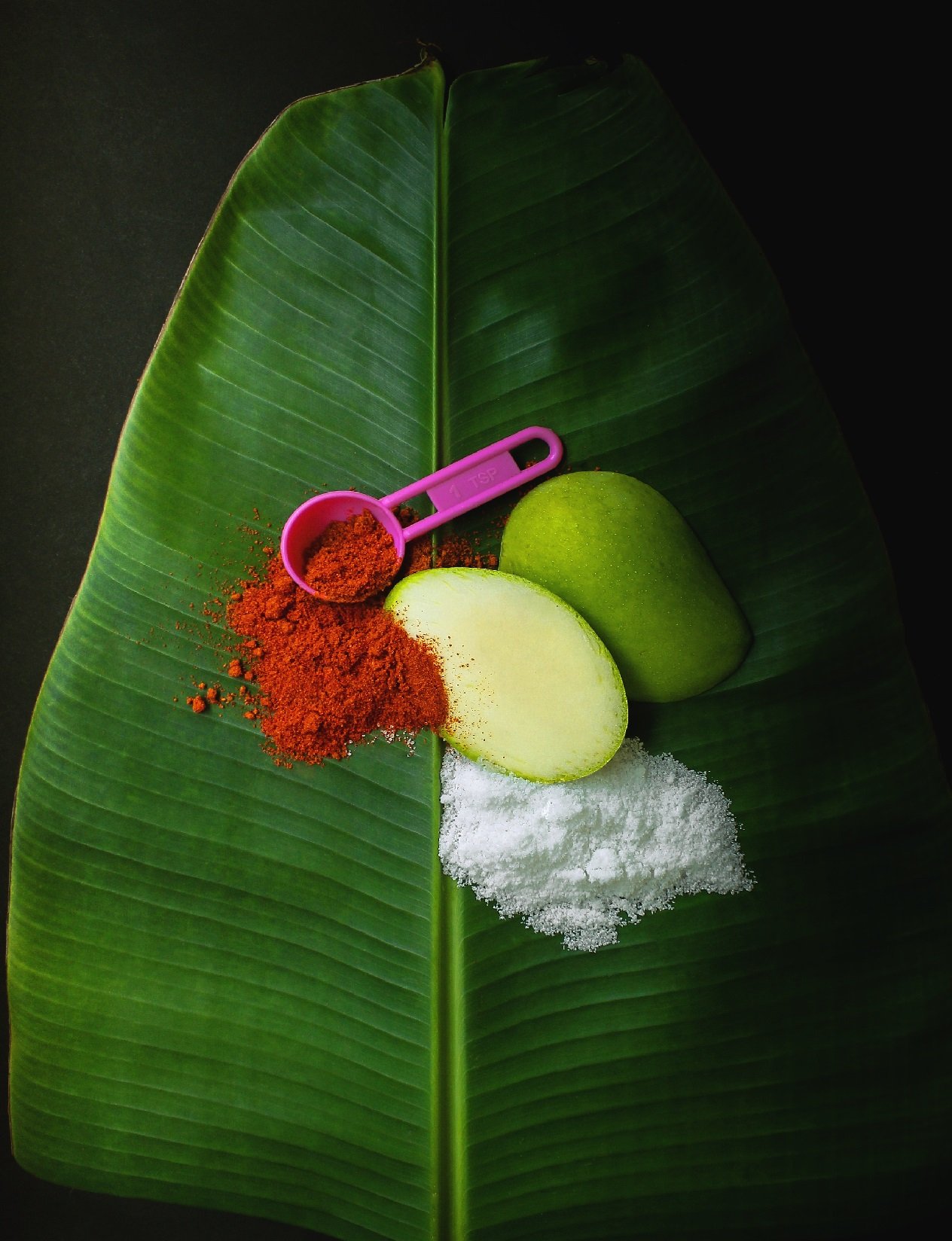
Introduction: Indian cuisine is a vibrant tapestry of flavors, colors, and aromas that has captured the imagination of food lovers worldwide. But there's more to Indian food than what meets the taste buds. Exploring the depths of India's culinary traditions not only satisfies our appetite but also teaches us valuable lessons about media literacy. 1. A Gastronomic Journey through India's Diverse Cuisine: India is a vast country with a rich culinary heritage shaped by its regional diversity, including North Indian, South Indian, East Indian, and West Indian cuisine. Each region boasts distinctive flavors, ingredients, and cooking techniques that have been refined over centuries. From the fiery and flavorful curries of Punjab to the fragrant biryanis of Hyderabad and the delicate sweets of Bengal, Indian food offers a kaleidoscope of tastes that showcases the country's cultural tapestry. 2. The Influence of Media on Indian Food Perception: In today's hyperconnected world, media plays a pivotal role in shaping our perception of Indian food. From glossy food magazines to social media influencers and celebrity chefs, there's no shortage of platforms that portray Indian cuisine. However, media narratives often simplify and stereotype Indian food, focusing on the ubiquitous curries while neglecting the vast diversity and complexity of regional dishes. 3. Challenging Stereotypes and Embracing Authenticity: Media literacy empowers us to challenge these stereotypes and dive deeper into the nuances of Indian cuisine. By seeking out authentic sources, such as cookbooks written by Indian chefs and engaging with local culinary experts, we can gain a more comprehensive understanding of the diverse flavors and ingredients that define Indian cooking. Through media literacy, we can appreciate the intricate spice blends, the use of regional ingredients, and the importance of traditional cooking techniques. 4. Unmasking Indian Food Myths and Misconceptions: Media often perpetuates myths and misconceptions about Indian food, such as assuming that it is always spicy or unhealthy. Media literacy allows us to critically evaluate these claims and uncover the truth. It helps us recognize that Indian cuisine is not only about heat but also about balancing flavors and incorporating a wide range of wholesome ingredients like lentils, vegetables, and spices known for their health benefits. 5. Exploring the Cultural Significance of Indian Food: Indian food is deeply intertwined with the country's culture, history, and religious practices. By delving into the cultural context behind dishes like masala dosa, butter chicken, or samosas, media literacy enables us to understand the stories, traditions, and rituals that have shaped these culinary delights. This understanding fosters a greater appreciation for Indian food beyond its taste, acknowledging its significance in building community, celebrating festivals, and preserving cultural heritage. Conclusion: When we look beyond the widespread stereotypes and misconceptions perpetuated by the media, Indian food reveals itself as a diverse and intricate gastronomic journey. By embracing media literacy, we can challenge these narratives, celebrate the authenticity and cultural significance of Indian cuisine, and forge a deeper connection with the flavors and stories that make it so special. So let's explore, learn, and savor the rich tapestry of Indian food with open minds and palates. Also Check the following website http://www.indianspecialty.com To understand this better, read http://www.uurdu.com Get a comprehensive view with http://www.deleci.com For a different perspective, see: http://www.semifake.com To find answers, navigate to http://www.eatnaturals.com for more http://www.mimidate.com
Leave a Comment:
SEARCH
Recent News
- Zurich, Switzerland is known for its multicultural atmosphere and diverse culinary scene. One of the lesser-known gems of Zurich's food scene is Sudanese cuisine. Sudanese cuisine is a reflection of the country's diverse cultural influences, blending Arabic, African, and Mediterranean flavors to create a unique and delicious culinary experience.
- Zurich, Switzerland: A Culinary Journey through Regional Cuisine
- Zurich, Switzerland is known for its stunning landscapes, rich history, and vibrant culture. However, another aspect of Zurich that shouldn't be overlooked is its diverse and delicious fast food scene. From traditional Swiss street food to international favorites, there is something to satisfy every craving in Zurich. Let's take a closer look at some of the popular fast food options you can find in this picturesque city.
- Zurich, Switzerland is known for its stunning natural beauty, vibrant arts scene, and strong economy. However, what many people may not know is that this dynamic city also offers a diverse culinary experience that includes delicacies from around the world. One such cuisine that has found a home in Zurich is Philippine cuisine.
- Zurich, Switzerland is known for its picturesque views, stunning architecture, and vibrant cultural scene. Located in the heart of Europe, Zurich offers a mix of traditional Swiss cuisine and international flavors. One particular cuisine that has been making waves in Zurich is Paraguayan cuisine.
- Zurich, Switzerland is a city known for its stunning views, picturesque streets, and vibrant culture. It is also a melting pot of diverse culinary influences, with a wide range of cuisines to choose from. One such cuisine that has made its mark in Zurich is Norwegian cuisine.
- Zurich, Switzerland, and Montreal, Canada, are two vibrant cities known for their distinct cultural characteristics. While Zurich is renowned for its picturesque landscapes, rich history, and high standard of living, Montreal is famous for its diverse population, vibrant arts scene, and mouth-watering cuisine. In this blog post, we will delve into the delectable culinary offerings of Montreal and explore how its unique food scene sets it apart from the culinary landscape of Zurich.
- Zurich, Switzerland is a vibrant city known for its stunning architecture, picturesque landscapes, and diverse culinary scene. While Swiss cuisine certainly holds a special place in the hearts of many locals and visitors, the city also boasts a variety of international dining options, including Latin American food.
READ MORE
11 months ago Category :

Zurich, Switzerland is known for its multicultural atmosphere and diverse culinary scene. One of the lesser-known gems of Zurich's food scene is Sudanese cuisine. Sudanese cuisine is a reflection of the country's diverse cultural influences, blending Arabic, African, and Mediterranean flavors to create a unique and delicious culinary experience.
Read More →11 months ago Category :

Zurich, Switzerland: A Culinary Journey through Regional Cuisine
Read More →11 months ago Category :

Zurich, Switzerland is known for its stunning landscapes, rich history, and vibrant culture. However, another aspect of Zurich that shouldn't be overlooked is its diverse and delicious fast food scene. From traditional Swiss street food to international favorites, there is something to satisfy every craving in Zurich. Let's take a closer look at some of the popular fast food options you can find in this picturesque city.
Read More →11 months ago Category :
