From Tradition to Fusion: Cultural Shifts in Indian Food
Category : | Sub Category : Posted on 2023-10-30 21:24:53
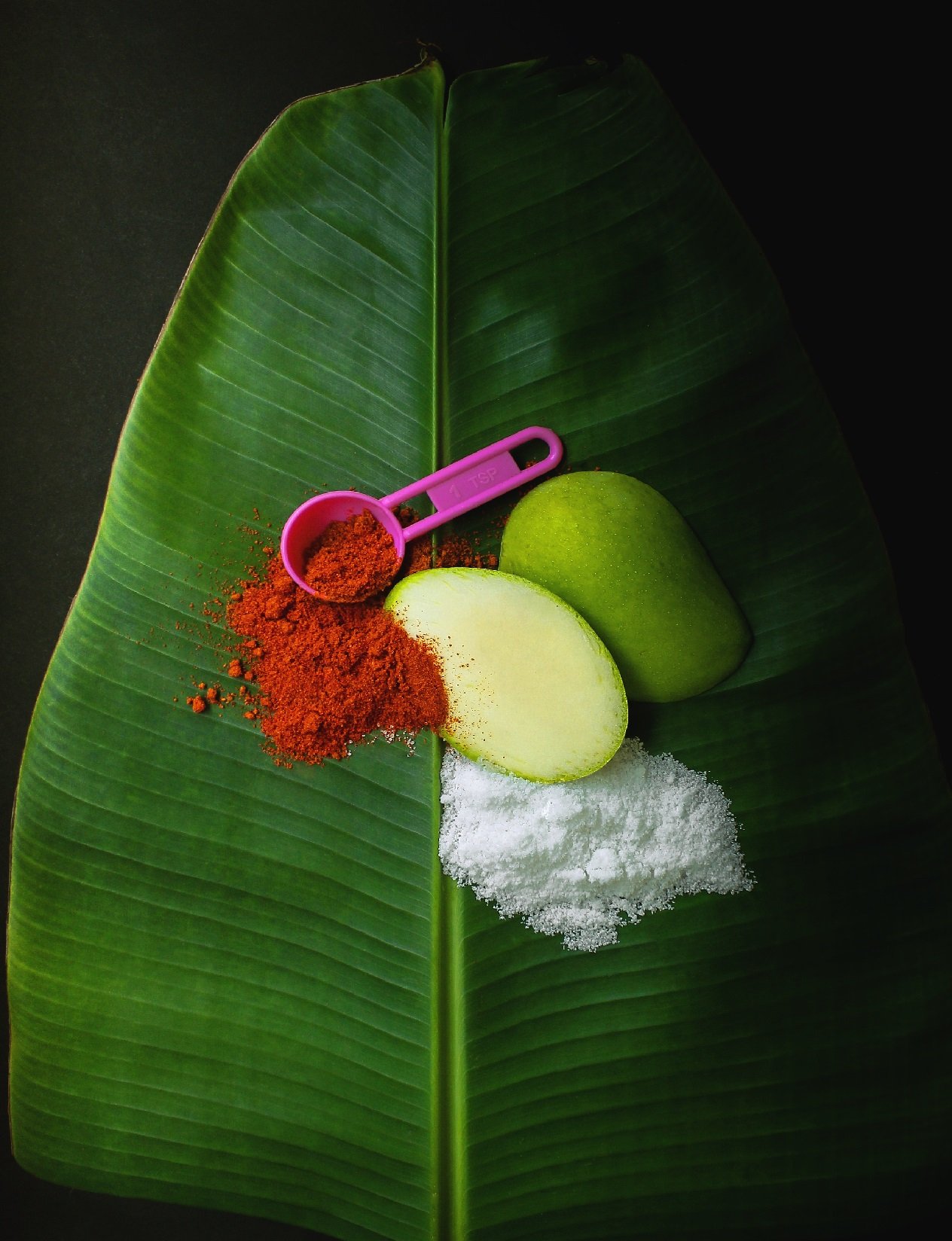
Introduction: Indian cuisine is renowned for its rich flavors, vibrant colors, and diverse regional dishes. However, over the years, this beloved culinary tradition has experienced a significant cultural shift. As the world becomes more interconnected, Indian food has evolved to embrace new influences, resulting in a fascinating fusion of flavors and cooking techniques. In this blog post, we will explore the cultural shifts in Indian food and how they have transformed this age-old cuisine. 1. Globalization's Influence on Indian Food: With the advent of globalization, Indian cuisine has become increasingly popular worldwide. The widespread availability of ingredients and exposure to diverse culinary traditions have opened doors for experimentation and innovation in Indian cooking. This has resulted in a fusion of flavors, incorporating elements of other cuisines to create unique and exciting dishes. 2. Rise of Fusion Food: Indian food, traditionally known for its distinct regional varieties, has now blended with other international cuisines to create fusion dishes. Global flavors such as Thai, Mexican, and Italian have been seamlessly incorporated into Indian recipes, resulting in exciting and unexpected combinations. For instance, the popular "butter chicken pizza" combines the flavors of Indian spices with the familiar comfort of a classic pizza. 3. Embracing Health and Wellness: In recent years, there has been a cultural shift towards healthier eating habits. This trend has had a significant impact on Indian food as well. Traditionally, Indian cuisine includes heavily spiced and oil-rich dishes. However, modern Indian chefs and home cooks are reimagining traditional recipes to offer healthier alternatives. Examples include substituting refined flour with whole grains, using lean meats, and incorporating more plant-based ingredients. 4. Vegetarian and Vegan Varieties: Indian cuisine has always offered a wide range of vegetarian options, owing to cultural and religious preferences. However, the rising global awareness of the environmental and ethical impact of meat consumption has influenced more people to adopt vegetarian and vegan diets. Indian food has responded to this shift by highlighting its abundance of vegetable-based dishes, presenting a vast array of delicious options for those seeking plant-based alternatives. 5. Food Technology and Accessibility: Technological advancements and changing lifestyles have also contributed to cultural shifts in Indian food. The rise of food delivery services, meal kits, and online cooking platforms have made Indian cuisine more accessible to a global audience. This accessibility has not only allowed people to enjoy authentic Indian flavors but has also created opportunities for creativity and experimentation in the kitchen. Conclusion: The cultural shifts in Indian food have brought about a new era of culinary diversity. Through globalization, fusion cuisine, and a focus on health and wellness, Indian food has evolved into an exciting hybrid of flavors and techniques. While maintaining the essence of traditional dishes, Indian cuisine now embraces the global palette, creating a dynamic and ever-evolving gastronomic experience. Whether you're a fan of traditional recipes or eager to explore unique flavor combinations, the cultural shifts in Indian food offer something for everyone to savor and enjoy. If you are interested you can check the following website http://www.indianspecialty.com Dive into the details to understand this topic thoroughly. http://www.uurdu.com Discover more about this topic through http://www.deleci.com Want a more profound insight? Consult http://www.culturepolitics.com You can also Have a visit at http://www.eatnaturals.com For additional information, refer to: http://www.mimidate.com
Leave a Comment:
SEARCH
Recent News
- Zurich, Switzerland is known for its multicultural atmosphere and diverse culinary scene. One of the lesser-known gems of Zurich's food scene is Sudanese cuisine. Sudanese cuisine is a reflection of the country's diverse cultural influences, blending Arabic, African, and Mediterranean flavors to create a unique and delicious culinary experience.
- Zurich, Switzerland: A Culinary Journey through Regional Cuisine
- Zurich, Switzerland is known for its stunning landscapes, rich history, and vibrant culture. However, another aspect of Zurich that shouldn't be overlooked is its diverse and delicious fast food scene. From traditional Swiss street food to international favorites, there is something to satisfy every craving in Zurich. Let's take a closer look at some of the popular fast food options you can find in this picturesque city.
- Zurich, Switzerland is known for its stunning natural beauty, vibrant arts scene, and strong economy. However, what many people may not know is that this dynamic city also offers a diverse culinary experience that includes delicacies from around the world. One such cuisine that has found a home in Zurich is Philippine cuisine.
- Zurich, Switzerland is known for its picturesque views, stunning architecture, and vibrant cultural scene. Located in the heart of Europe, Zurich offers a mix of traditional Swiss cuisine and international flavors. One particular cuisine that has been making waves in Zurich is Paraguayan cuisine.
- Zurich, Switzerland is a city known for its stunning views, picturesque streets, and vibrant culture. It is also a melting pot of diverse culinary influences, with a wide range of cuisines to choose from. One such cuisine that has made its mark in Zurich is Norwegian cuisine.
- Zurich, Switzerland, and Montreal, Canada, are two vibrant cities known for their distinct cultural characteristics. While Zurich is renowned for its picturesque landscapes, rich history, and high standard of living, Montreal is famous for its diverse population, vibrant arts scene, and mouth-watering cuisine. In this blog post, we will delve into the delectable culinary offerings of Montreal and explore how its unique food scene sets it apart from the culinary landscape of Zurich.
- Zurich, Switzerland is a vibrant city known for its stunning architecture, picturesque landscapes, and diverse culinary scene. While Swiss cuisine certainly holds a special place in the hearts of many locals and visitors, the city also boasts a variety of international dining options, including Latin American food.
READ MORE
11 months ago Category :

Zurich, Switzerland is known for its multicultural atmosphere and diverse culinary scene. One of the lesser-known gems of Zurich's food scene is Sudanese cuisine. Sudanese cuisine is a reflection of the country's diverse cultural influences, blending Arabic, African, and Mediterranean flavors to create a unique and delicious culinary experience.
Read More →11 months ago Category :

Zurich, Switzerland: A Culinary Journey through Regional Cuisine
Read More →11 months ago Category :

Zurich, Switzerland is known for its stunning landscapes, rich history, and vibrant culture. However, another aspect of Zurich that shouldn't be overlooked is its diverse and delicious fast food scene. From traditional Swiss street food to international favorites, there is something to satisfy every craving in Zurich. Let's take a closer look at some of the popular fast food options you can find in this picturesque city.
Read More →11 months ago Category :
