Exploring the Health Benefits of North Indian Cuisine
Category : | Sub Category : Posted on 2023-10-30 21:24:53
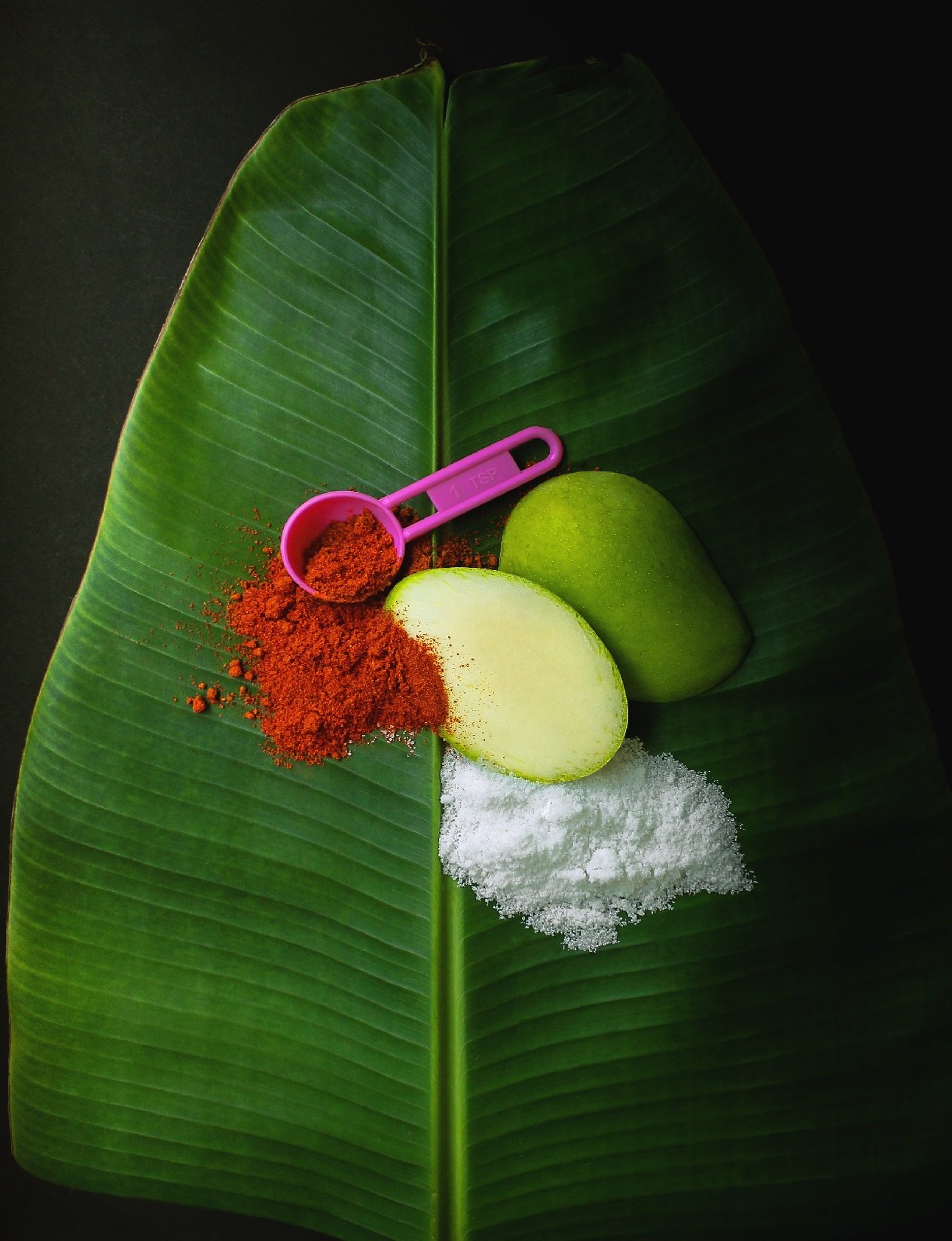
Introduction: When it comes to Indian food, the diverse and vibrant flavors of North Indian cuisine undoubtedly take center stage. From succulent kebabs to flavorful curries and aromatic biryanis, the region's culinary offerings have won the hearts of food lovers worldwide. But did you know that North Indian cuisine doesn't just tantalize your taste buds, but also offers several health benefits? In this article, we will explore the nutritional advantages of North Indian cuisine and how it can contribute to overall well-being. 1. Rich in Essential Nutrients: North Indian cuisine heavily relies on a variety of whole grains, vegetables, legumes, and spices, providing a wide range of essential nutrients. Lentils, chickpeas, and kidney beans are commonly used ingredients that offer a significant amount of protein, dietary fiber, and minerals like iron and potassium. Whole wheat rotis (flatbreads) are a staple and serve as a great source of complex carbohydrates, providing sustained energy throughout the day. 2. Abundance of Fresh Vegetables: North Indian cuisine emphasizes the use of seasonal and locally sourced vegetables, ensuring an abundance of vitamins, minerals, and antioxidants in every meal. Curries like saag paneer (spinach and cottage cheese) or aloo gobi (potato and cauliflower) are packed with fiber, vitamins A and C, and provide a delicious and nutritious way to incorporate vegetables into your diet. 3. Beneficial Spices: The aromatic spices used in North Indian cooking not only add delightful flavors but also offer numerous health benefits. Turmeric, a staple spice in Indian cuisine, contains curcumin, which has anti-inflammatory and antioxidant properties. Cumin, coriander, and ginger aid digestion, while fenugreek can help regulate blood sugar levels. Additionally, spices like cardamom, cloves, and cinnamon are rich in antioxidants. 4. Balanced Cooking Techniques: North Indian cuisine incorporates a variety of cooking techniques, including sauting, roasting, and slow cooking, which help retain the nutritional value of ingredients. These cooking methods minimize the use of excessive oil and preserve the natural flavors and nutrients of the food. 5. Fermented Foods and Probiotics: Fermented foods like yogurt and pickles are integral parts of North Indian cuisine. These naturally fermented foods are rich in beneficial bacteria, also known as probiotics, which promote gut health and support a robust immune system. Conclusion: North Indian cuisine not only satiates your taste buds but also provides an array of health benefits. With its emphasis on nutrient-rich ingredients, balanced cooking techniques, and the use of beneficial spices, this cuisine offers a delicious way to incorporate a variety of essential nutrients into your diet. So, next time you savor the flavors of a hot bowl of dal or indulge in a rich curry, remember that you are not just enjoying a delightful meal but also nourishing your body. Have a look at http://www.indianspecialty.com For a different take on this issue, see http://www.doctorregister.com For more info http://www.tinyfed.com For more info http://www.natclar.com Seeking expert advice? Find it in http://www.qqhbo.com
Leave a Comment:
SEARCH
Recent News
- Zurich, Switzerland is known for its multicultural atmosphere and diverse culinary scene. One of the lesser-known gems of Zurich's food scene is Sudanese cuisine. Sudanese cuisine is a reflection of the country's diverse cultural influences, blending Arabic, African, and Mediterranean flavors to create a unique and delicious culinary experience.
- Zurich, Switzerland: A Culinary Journey through Regional Cuisine
- Zurich, Switzerland is known for its stunning landscapes, rich history, and vibrant culture. However, another aspect of Zurich that shouldn't be overlooked is its diverse and delicious fast food scene. From traditional Swiss street food to international favorites, there is something to satisfy every craving in Zurich. Let's take a closer look at some of the popular fast food options you can find in this picturesque city.
- Zurich, Switzerland is known for its stunning natural beauty, vibrant arts scene, and strong economy. However, what many people may not know is that this dynamic city also offers a diverse culinary experience that includes delicacies from around the world. One such cuisine that has found a home in Zurich is Philippine cuisine.
- Zurich, Switzerland is known for its picturesque views, stunning architecture, and vibrant cultural scene. Located in the heart of Europe, Zurich offers a mix of traditional Swiss cuisine and international flavors. One particular cuisine that has been making waves in Zurich is Paraguayan cuisine.
- Zurich, Switzerland is a city known for its stunning views, picturesque streets, and vibrant culture. It is also a melting pot of diverse culinary influences, with a wide range of cuisines to choose from. One such cuisine that has made its mark in Zurich is Norwegian cuisine.
- Zurich, Switzerland, and Montreal, Canada, are two vibrant cities known for their distinct cultural characteristics. While Zurich is renowned for its picturesque landscapes, rich history, and high standard of living, Montreal is famous for its diverse population, vibrant arts scene, and mouth-watering cuisine. In this blog post, we will delve into the delectable culinary offerings of Montreal and explore how its unique food scene sets it apart from the culinary landscape of Zurich.
- Zurich, Switzerland is a vibrant city known for its stunning architecture, picturesque landscapes, and diverse culinary scene. While Swiss cuisine certainly holds a special place in the hearts of many locals and visitors, the city also boasts a variety of international dining options, including Latin American food.
READ MORE
11 months ago Category :

Zurich, Switzerland is known for its multicultural atmosphere and diverse culinary scene. One of the lesser-known gems of Zurich's food scene is Sudanese cuisine. Sudanese cuisine is a reflection of the country's diverse cultural influences, blending Arabic, African, and Mediterranean flavors to create a unique and delicious culinary experience.
Read More →11 months ago Category :

Zurich, Switzerland: A Culinary Journey through Regional Cuisine
Read More →11 months ago Category :

Zurich, Switzerland is known for its stunning landscapes, rich history, and vibrant culture. However, another aspect of Zurich that shouldn't be overlooked is its diverse and delicious fast food scene. From traditional Swiss street food to international favorites, there is something to satisfy every craving in Zurich. Let's take a closer look at some of the popular fast food options you can find in this picturesque city.
Read More →11 months ago Category :
