Gardening for Samosas and Chaats: Grow Your Own Delicious Ingredients
Category : | Sub Category : Posted on 2023-10-30 21:24:53
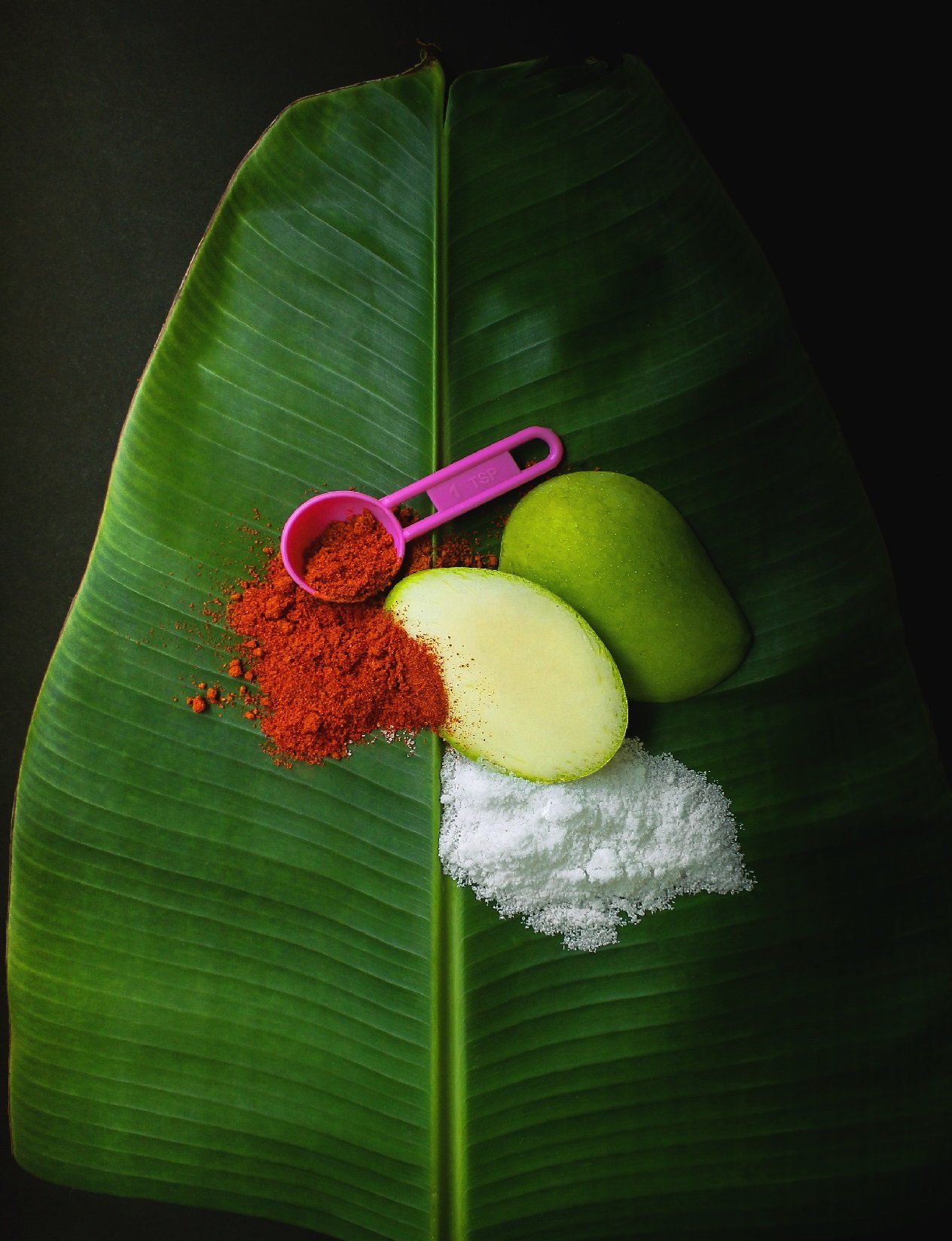
Introduction: Imagine stepping out into your garden and picking fresh, vibrant ingredients for your homemade samosas and chaats. Gardening not only provides a rewarding and sustainable hobby, but it also allows you to have a constant supply of the freshest herbs, vegetables, and spices for your favorite Indian snacks. In this blog post, we will explore how you can create your own little piece of culinary heaven by growing the perfect ingredients for samosas and chaats right in your backyard. 1. Choosing the Right Plants: a. Mint: Mint is a must-have herb for chaats. Its refreshing flavor adds a delightful punch to any dish. Plant it in a container or directly in the ground, ensuring it receives partial shade and regular watering. b. Coriander: This versatile herb is an essential ingredient in chutneys and chaats. Sow coriander seeds in well-drained soil and provide it with ample sunlight. Harvest the leaves when they are young and tender for the best flavor. c. Green Chilies: For those who like a tangy kick in their samosas and chaats, growing green chilies in pots or raised beds is a great idea. Make sure they receive plenty of sunlight and consistent watering. 2. Growing Vegetables: a. Potatoes: One of the main components of potato samosas, these starchy tubers are relatively easy to grow. Plant seed potatoes in loose soil and ensure they receive a good amount of sunlight. Harvest them when the leaves start turning yellow. b. Onions: No samosa or chaat is complete without the aromatic flavor of onions. Grow them from sets or onion seeds in well-drained soil with full sun exposure. Harvest the onions when the green tops start to fall over. c. Tomatoes: Fresh tomatoes can elevate the taste of any chaat or samosa filling. Plant tomato seedlings in fertile soil, providing them with at least six hours of sunlight daily. Support the plants with stakes or cages as they grow. 3. Spices and Seasonings: a. Cumin: Cumin seeds are the foundation of many Indian spice blends. Sow cumin seeds directly into the ground once the soil temperature reaches around 60F. Harvest the seeds when they turn brown. b. Mustard Seeds: The distinctive nutty flavor of mustard seeds complements chaats perfectly. Sow seeds in well-drained soil and keep them moist. Harvest the seeds when the pods turn brown and begin to split. 4. Maintaining Your Garden: a. Watering: Proper watering is crucial for the growth and health of your plants. Water them regularly, taking care not to overwater or underwater. Mulching can help retain moisture and prevent weed growth. b. Soil Care: Ensure you have well-draining soil by amending it with organic matter like compost. Regularly monitor the pH levels and adjust if necessary to provide an optimal growing environment for your plants. c. Pest Control: Keep a watchful eye for common garden pests like aphids, slugs, and snails. Implement organic pest control methods or companion planting to deter them from damaging your plants. Conclusion: Growing your own ingredients for samosas and chaats is a satisfying experience that brings you closer to the flavors of your favorite Indian snacks. With a little effort and care, you can enjoy the freshest and highest quality herbs, vegetables, and spices right from your backyard. So, roll up your sleeves, get your hands dirty, and indulge in the joy of growing your own garden for samosas and chaats. for more http://www.indianspecialty.com For an in-depth examination, refer to http://www.svop.org
Leave a Comment:
SEARCH
Recent News
- Zurich, Switzerland is known for its multicultural atmosphere and diverse culinary scene. One of the lesser-known gems of Zurich's food scene is Sudanese cuisine. Sudanese cuisine is a reflection of the country's diverse cultural influences, blending Arabic, African, and Mediterranean flavors to create a unique and delicious culinary experience.
- Zurich, Switzerland: A Culinary Journey through Regional Cuisine
- Zurich, Switzerland is known for its stunning landscapes, rich history, and vibrant culture. However, another aspect of Zurich that shouldn't be overlooked is its diverse and delicious fast food scene. From traditional Swiss street food to international favorites, there is something to satisfy every craving in Zurich. Let's take a closer look at some of the popular fast food options you can find in this picturesque city.
- Zurich, Switzerland is known for its stunning natural beauty, vibrant arts scene, and strong economy. However, what many people may not know is that this dynamic city also offers a diverse culinary experience that includes delicacies from around the world. One such cuisine that has found a home in Zurich is Philippine cuisine.
- Zurich, Switzerland is known for its picturesque views, stunning architecture, and vibrant cultural scene. Located in the heart of Europe, Zurich offers a mix of traditional Swiss cuisine and international flavors. One particular cuisine that has been making waves in Zurich is Paraguayan cuisine.
- Zurich, Switzerland is a city known for its stunning views, picturesque streets, and vibrant culture. It is also a melting pot of diverse culinary influences, with a wide range of cuisines to choose from. One such cuisine that has made its mark in Zurich is Norwegian cuisine.
- Zurich, Switzerland, and Montreal, Canada, are two vibrant cities known for their distinct cultural characteristics. While Zurich is renowned for its picturesque landscapes, rich history, and high standard of living, Montreal is famous for its diverse population, vibrant arts scene, and mouth-watering cuisine. In this blog post, we will delve into the delectable culinary offerings of Montreal and explore how its unique food scene sets it apart from the culinary landscape of Zurich.
- Zurich, Switzerland is a vibrant city known for its stunning architecture, picturesque landscapes, and diverse culinary scene. While Swiss cuisine certainly holds a special place in the hearts of many locals and visitors, the city also boasts a variety of international dining options, including Latin American food.
READ MORE
11 months ago Category :

Zurich, Switzerland is known for its multicultural atmosphere and diverse culinary scene. One of the lesser-known gems of Zurich's food scene is Sudanese cuisine. Sudanese cuisine is a reflection of the country's diverse cultural influences, blending Arabic, African, and Mediterranean flavors to create a unique and delicious culinary experience.
Read More →11 months ago Category :

Zurich, Switzerland: A Culinary Journey through Regional Cuisine
Read More →11 months ago Category :

Zurich, Switzerland is known for its stunning landscapes, rich history, and vibrant culture. However, another aspect of Zurich that shouldn't be overlooked is its diverse and delicious fast food scene. From traditional Swiss street food to international favorites, there is something to satisfy every craving in Zurich. Let's take a closer look at some of the popular fast food options you can find in this picturesque city.
Read More →11 months ago Category :
