Indonesian Indian Cuisine Self-Study: Exploring the Fusion of Flavors
Category : | Sub Category : Posted on 0000-00-00 00:00:00
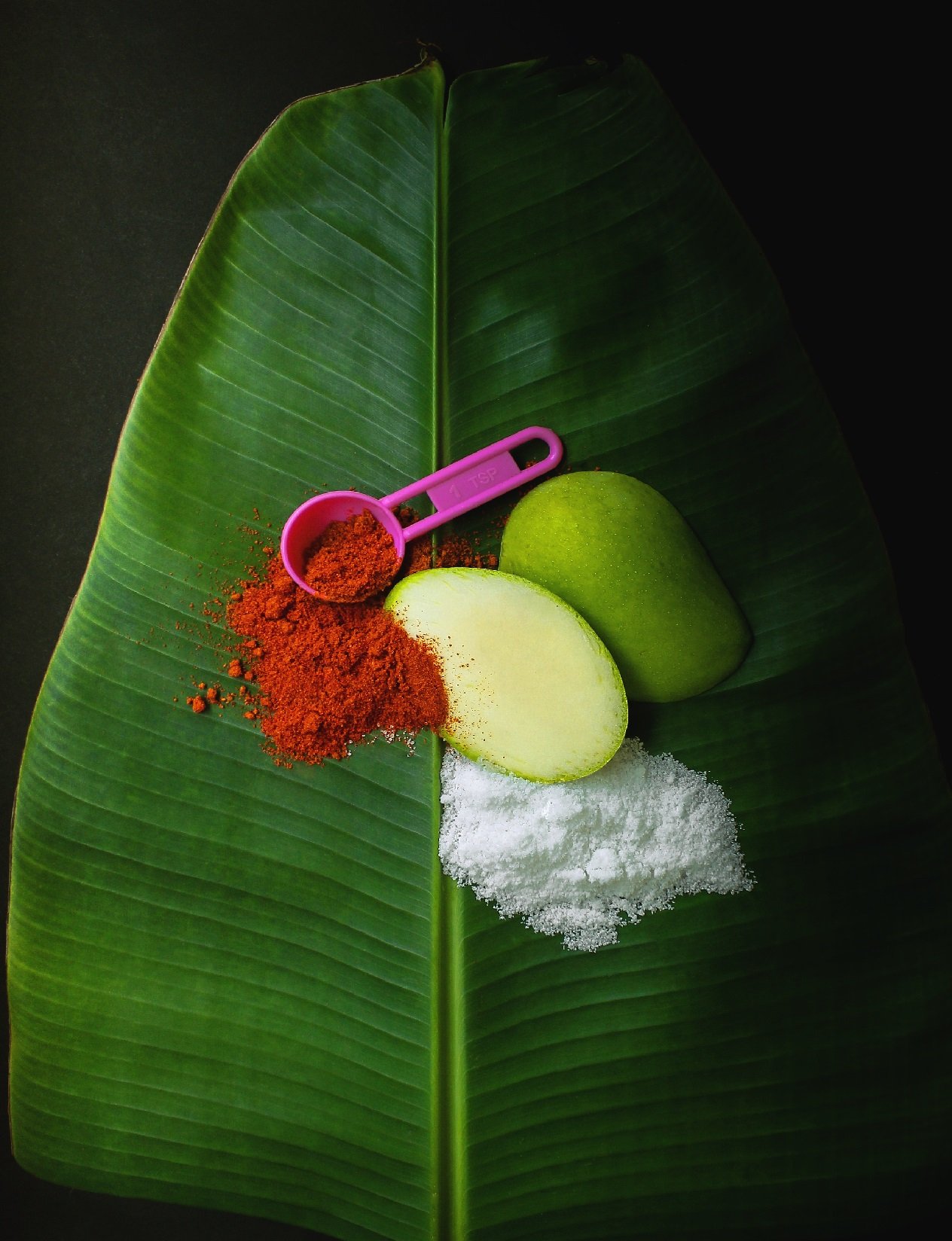
Indonesia is known for its rich culinary heritage, with a diverse range of dishes that reflect the country's history and culture. On the other hand, Indian cuisine is celebrated worldwide for its bold flavors, aromatic spices, and diverse range of dishes. When these two culinary traditions come together, a unique fusion of flavors emerges that is both delicious and exciting to explore. Embarking on a self-study journey to learn more about Indonesian Indian cuisine is a fascinating experience that allows you to delve into the similarities and differences between these two vibrant food cultures. By understanding the key ingredients, cooking techniques, and flavor profiles of each cuisine, you can start to see how they can complement and enhance each other in unexpected ways. One of the key aspects of Indonesian Indian cuisine is the use of aromatic spices such as cumin, coriander, turmeric, and cardamom. These spices add depth and complexity to dishes, creating a symphony of flavors that dance on your taste buds. Indonesian cuisine, on the other hand, often features ingredients like coconut milk, lemongrass, and galangal, which lend a unique sweetness and fragrance to dishes. Exploring Indonesian Indian cuisine opens up a world of delicious possibilities, from aromatic curries and spicy sambals to comforting rice dishes and flavorful snacks. By experimenting with different recipes and techniques, you can create your own fusion creations that bring together the best of both culinary traditions. To kickstart your Indonesian Indian cuisine self-study journey, here are a few dishes you can try making at home: 1. Rendang Curry: A rich and fragrant beef curry that combines Indonesian spices with Indian curry flavors for a mouthwatering dish. 2. Nasi Goreng: A popular Indonesian fried rice dish that can be infused with Indian spices and served with a side of raita for a delicious twist. 3. Samosas: These crispy, savory pastries are a classic Indian snack that can be filled with Indonesian-inspired fillings like rendang or sambal. Through your self-study of Indonesian Indian cuisine, you will not only expand your culinary skills but also gain a deeper appreciation for the rich tapestry of flavors that these two vibrant food cultures have to offer. So roll up your sleeves, get into the kitchen, and start exploring the fusion of flavors that awaits you! Want to know more? Don't forget to read: https://www.sfog.org
Leave a Comment:
SEARCH
Recent News
- Zurich, Switzerland is known for its multicultural atmosphere and diverse culinary scene. One of the lesser-known gems of Zurich's food scene is Sudanese cuisine. Sudanese cuisine is a reflection of the country's diverse cultural influences, blending Arabic, African, and Mediterranean flavors to create a unique and delicious culinary experience.
- Zurich, Switzerland: A Culinary Journey through Regional Cuisine
- Zurich, Switzerland is known for its stunning landscapes, rich history, and vibrant culture. However, another aspect of Zurich that shouldn't be overlooked is its diverse and delicious fast food scene. From traditional Swiss street food to international favorites, there is something to satisfy every craving in Zurich. Let's take a closer look at some of the popular fast food options you can find in this picturesque city.
- Zurich, Switzerland is known for its stunning natural beauty, vibrant arts scene, and strong economy. However, what many people may not know is that this dynamic city also offers a diverse culinary experience that includes delicacies from around the world. One such cuisine that has found a home in Zurich is Philippine cuisine.
- Zurich, Switzerland is known for its picturesque views, stunning architecture, and vibrant cultural scene. Located in the heart of Europe, Zurich offers a mix of traditional Swiss cuisine and international flavors. One particular cuisine that has been making waves in Zurich is Paraguayan cuisine.
- Zurich, Switzerland is a city known for its stunning views, picturesque streets, and vibrant culture. It is also a melting pot of diverse culinary influences, with a wide range of cuisines to choose from. One such cuisine that has made its mark in Zurich is Norwegian cuisine.
- Zurich, Switzerland, and Montreal, Canada, are two vibrant cities known for their distinct cultural characteristics. While Zurich is renowned for its picturesque landscapes, rich history, and high standard of living, Montreal is famous for its diverse population, vibrant arts scene, and mouth-watering cuisine. In this blog post, we will delve into the delectable culinary offerings of Montreal and explore how its unique food scene sets it apart from the culinary landscape of Zurich.
- Zurich, Switzerland is a vibrant city known for its stunning architecture, picturesque landscapes, and diverse culinary scene. While Swiss cuisine certainly holds a special place in the hearts of many locals and visitors, the city also boasts a variety of international dining options, including Latin American food.
READ MORE
11 months ago Category :

Zurich, Switzerland is known for its multicultural atmosphere and diverse culinary scene. One of the lesser-known gems of Zurich's food scene is Sudanese cuisine. Sudanese cuisine is a reflection of the country's diverse cultural influences, blending Arabic, African, and Mediterranean flavors to create a unique and delicious culinary experience.
Read More →11 months ago Category :

Zurich, Switzerland: A Culinary Journey through Regional Cuisine
Read More →11 months ago Category :

Zurich, Switzerland is known for its stunning landscapes, rich history, and vibrant culture. However, another aspect of Zurich that shouldn't be overlooked is its diverse and delicious fast food scene. From traditional Swiss street food to international favorites, there is something to satisfy every craving in Zurich. Let's take a closer look at some of the popular fast food options you can find in this picturesque city.
Read More →11 months ago Category :
