Exploring the Fusion of Indonesian and Indian Cuisine in the World of Linux Networks
Category : | Sub Category : Posted on 0000-00-00 00:00:00
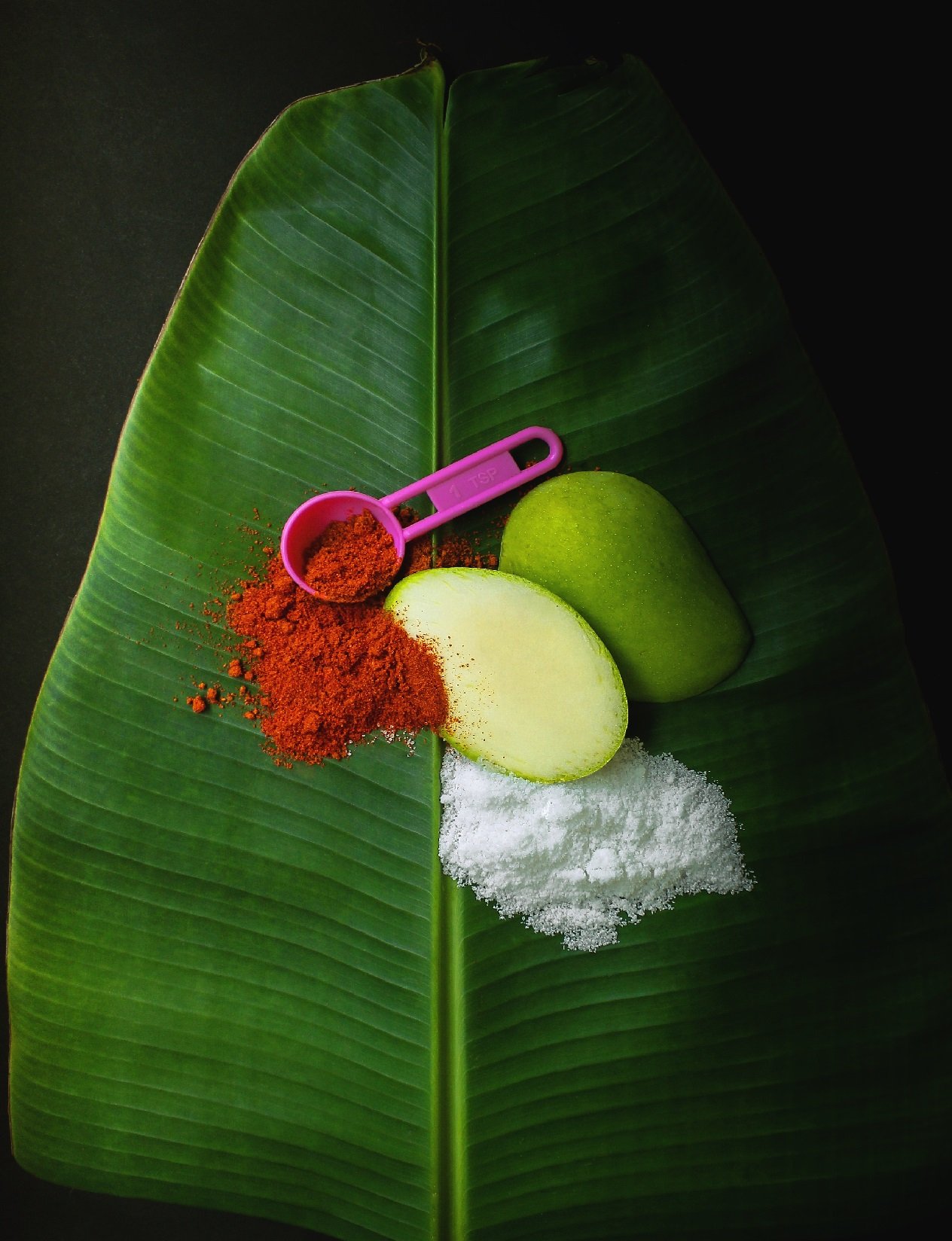
In today's interconnected world, the fusion of cultures and traditions has become more prevalent than ever before. One interesting fusion that we can delve into is the intersection of Indonesian and Indian cuisine within the realm of Linux networks. Let's explore how these diverse culinary heritages can metaphorically represent the complexities and richness of Linux networks. Indonesian cuisine is known for its bold and vibrant flavors, drawing influences from various regions such as Java, Sumatra, and Bali. Similarly, Indian cuisine is renowned for its aromatic spices and diverse culinary styles, ranging from the fiery curries of the north to the coconut-infused dishes of the south. Just as these cuisines blend a myriad of ingredients to create a harmonious flavor profile, Linux networks integrate different components to function seamlessly. The foundation of both Indonesian and Indian cuisine lies in the careful balance of flavors and textures. In the same way, Linux networks require meticulous configuration and setup to ensure smooth operation. Much like how a chef carefully selects and combines ingredients to create a delicious dish, a network administrator must skillfully configure routers, switches, and firewalls to establish a secure and efficient network environment. Just as the diverse culinary traditions of Indonesia and India contribute to the global gastronomic landscape, Linux networks play a crucial role in connecting individuals and organizations across the world. Through the use of open-source technologies and collaborative efforts, Linux networks enable seamless communication and data sharing on a global scale. Furthermore, the adaptability and versatility of Indonesian and Indian cuisine parallel the flexibility and scalability of Linux networks. Whether it's customizing a curry recipe to suit individual preferences or scaling a network infrastructure to accommodate growing demands, both realms require a blend of creativity and technical expertise. In conclusion, the fusion of Indonesian and Indian cuisine in the context of Linux networks serves as a compelling analogy for the interconnected nature of our modern world. Just as the flavors and techniques of these culinary traditions come together to create unique and flavorful dishes, the integration of diverse technologies in Linux networks shapes our digital landscape in innovative ways. Embracing the complexity and richness of these fusions can inspire us to appreciate the diversity and interconnectedness that define our global community.
Leave a Comment:
SEARCH
Recent News
- Zurich, Switzerland is known for its multicultural atmosphere and diverse culinary scene. One of the lesser-known gems of Zurich's food scene is Sudanese cuisine. Sudanese cuisine is a reflection of the country's diverse cultural influences, blending Arabic, African, and Mediterranean flavors to create a unique and delicious culinary experience.
- Zurich, Switzerland: A Culinary Journey through Regional Cuisine
- Zurich, Switzerland is known for its stunning landscapes, rich history, and vibrant culture. However, another aspect of Zurich that shouldn't be overlooked is its diverse and delicious fast food scene. From traditional Swiss street food to international favorites, there is something to satisfy every craving in Zurich. Let's take a closer look at some of the popular fast food options you can find in this picturesque city.
- Zurich, Switzerland is known for its stunning natural beauty, vibrant arts scene, and strong economy. However, what many people may not know is that this dynamic city also offers a diverse culinary experience that includes delicacies from around the world. One such cuisine that has found a home in Zurich is Philippine cuisine.
- Zurich, Switzerland is known for its picturesque views, stunning architecture, and vibrant cultural scene. Located in the heart of Europe, Zurich offers a mix of traditional Swiss cuisine and international flavors. One particular cuisine that has been making waves in Zurich is Paraguayan cuisine.
- Zurich, Switzerland is a city known for its stunning views, picturesque streets, and vibrant culture. It is also a melting pot of diverse culinary influences, with a wide range of cuisines to choose from. One such cuisine that has made its mark in Zurich is Norwegian cuisine.
- Zurich, Switzerland, and Montreal, Canada, are two vibrant cities known for their distinct cultural characteristics. While Zurich is renowned for its picturesque landscapes, rich history, and high standard of living, Montreal is famous for its diverse population, vibrant arts scene, and mouth-watering cuisine. In this blog post, we will delve into the delectable culinary offerings of Montreal and explore how its unique food scene sets it apart from the culinary landscape of Zurich.
- Zurich, Switzerland is a vibrant city known for its stunning architecture, picturesque landscapes, and diverse culinary scene. While Swiss cuisine certainly holds a special place in the hearts of many locals and visitors, the city also boasts a variety of international dining options, including Latin American food.
READ MORE
11 months ago Category :

Zurich, Switzerland is known for its multicultural atmosphere and diverse culinary scene. One of the lesser-known gems of Zurich's food scene is Sudanese cuisine. Sudanese cuisine is a reflection of the country's diverse cultural influences, blending Arabic, African, and Mediterranean flavors to create a unique and delicious culinary experience.
Read More →11 months ago Category :

Zurich, Switzerland: A Culinary Journey through Regional Cuisine
Read More →11 months ago Category :

Zurich, Switzerland is known for its stunning landscapes, rich history, and vibrant culture. However, another aspect of Zurich that shouldn't be overlooked is its diverse and delicious fast food scene. From traditional Swiss street food to international favorites, there is something to satisfy every craving in Zurich. Let's take a closer look at some of the popular fast food options you can find in this picturesque city.
Read More →11 months ago Category :
