Exploring the Influence of Indonesian Culture on Indian Cuisine and its Lessons for Leadership and Coaching
Category : | Sub Category : Posted on 0000-00-00 00:00:00
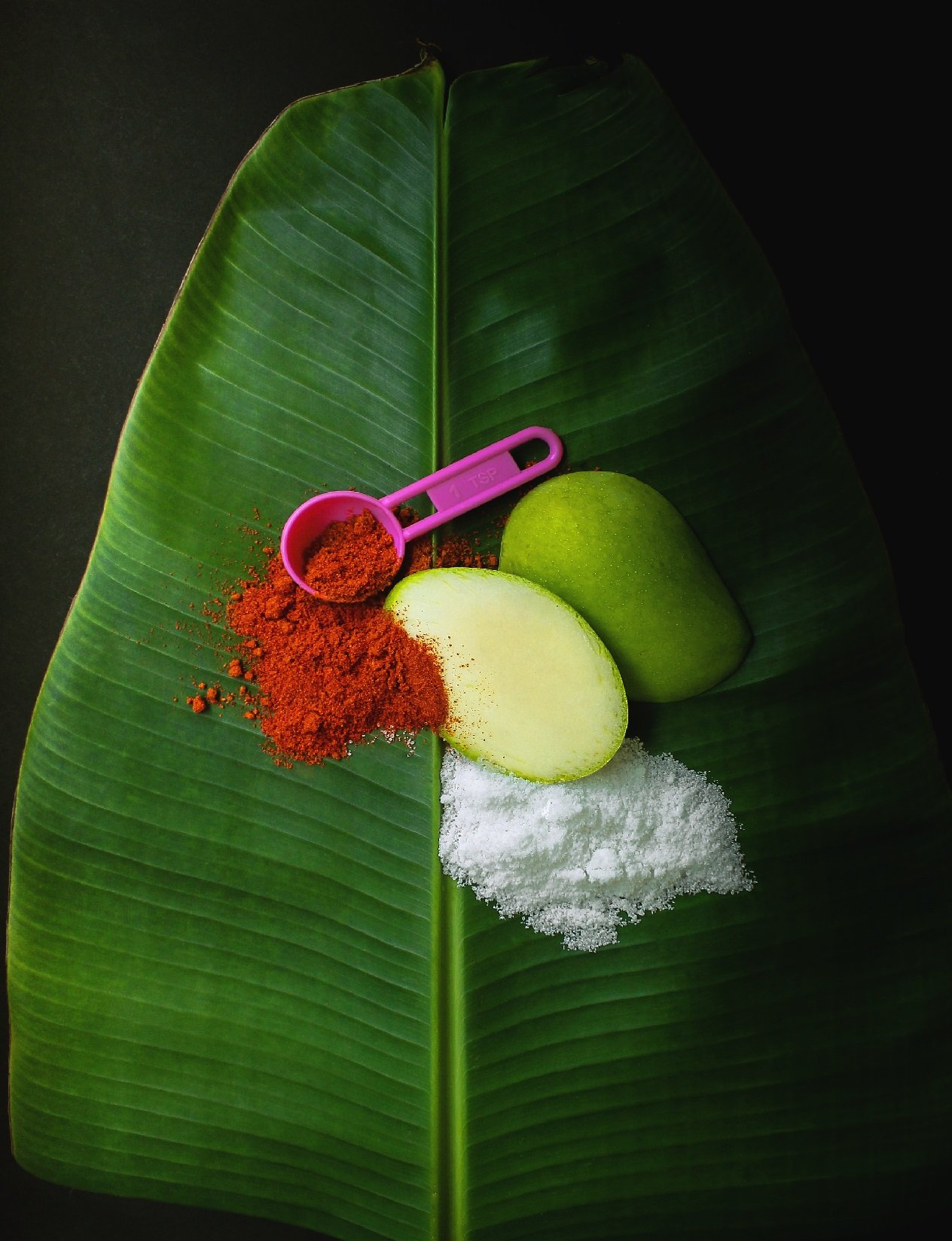
Indonesia is a vibrant melting pot of diverse cultures, traditions, and flavors. The country's rich tapestry of influences extends not only to its own cuisine but also to the global culinary landscape. One intriguing connection can be found in the fusion of Indonesian and Indian cuisines, a delicious blend that reflects the deep historical ties between the two regions. However, beyond just enhancing our taste buds, this fusion also offers valuable insights into leadership and coaching. At first glance, the marriage of Indonesian and Indian culinary traditions may seem like an unlikely pairing. After all, the two cuisines have distinct flavors, ingredients, and cooking techniques. Indonesian cuisine is known for its bold and spicy flavors, abundant use of herbs and spices, and diverse range of dishes such as rendang, nasi goreng, and sate. On the other hand, Indian cuisine boasts a myriad of aromatic spices, rich curries, and tropical ingredients like coconut, tamarind, and ghee. Yet, it is precisely this diversity that makes the fusion of Indonesian and Indian cuisines so intriguing. Just like in the culinary world, effective leadership and coaching can benefit from a diverse range of influences. By embracing different perspectives, ideas, and approaches, leaders can create a more innovative and inclusive organizational culture. Similarly, coaches can draw inspiration from various coaching styles and methodologies to tailor their approach to meet the unique needs of each individual or team. Furthermore, the fusion of Indonesian and Indian cuisines underscores the importance of adaptability and creativity in leadership and coaching. Just as a talented chef combines unexpected ingredients to create a harmonious dish, successful leaders and coaches must be willing to think outside the box and experiment with new strategies and solutions. This flexibility and willingness to take risks are essential for navigating the ever-evolving challenges of the modern workplace. Moreover, the cultural exchange between Indonesia and India through their cuisines highlights the value of collaboration and teamwork in leadership and coaching. Whether it is a culinary collaboration between chefs from different backgrounds or a joint coaching effort to support a team in achieving their goals, working together can lead to innovative ideas, increased productivity, and stronger relationships. In conclusion, the fusion of Indonesian and Indian cuisines offers not only a delectable culinary experience but also valuable lessons for leadership and coaching. By embracing diversity, fostering creativity, promoting collaboration, and adapting to change, leaders and coaches can create a more dynamic and successful environment for their teams. So, the next time you savor a plate of Nasi Kari Ayam or enjoy a piping hot serving of Chicken Tikka Masala, remember the powerful principles of leadership and coaching that these culinary delights can teach us.
Leave a Comment:
SEARCH
Recent News
- Zurich, Switzerland is known for its multicultural atmosphere and diverse culinary scene. One of the lesser-known gems of Zurich's food scene is Sudanese cuisine. Sudanese cuisine is a reflection of the country's diverse cultural influences, blending Arabic, African, and Mediterranean flavors to create a unique and delicious culinary experience.
- Zurich, Switzerland: A Culinary Journey through Regional Cuisine
- Zurich, Switzerland is known for its stunning landscapes, rich history, and vibrant culture. However, another aspect of Zurich that shouldn't be overlooked is its diverse and delicious fast food scene. From traditional Swiss street food to international favorites, there is something to satisfy every craving in Zurich. Let's take a closer look at some of the popular fast food options you can find in this picturesque city.
- Zurich, Switzerland is known for its stunning natural beauty, vibrant arts scene, and strong economy. However, what many people may not know is that this dynamic city also offers a diverse culinary experience that includes delicacies from around the world. One such cuisine that has found a home in Zurich is Philippine cuisine.
- Zurich, Switzerland is known for its picturesque views, stunning architecture, and vibrant cultural scene. Located in the heart of Europe, Zurich offers a mix of traditional Swiss cuisine and international flavors. One particular cuisine that has been making waves in Zurich is Paraguayan cuisine.
- Zurich, Switzerland is a city known for its stunning views, picturesque streets, and vibrant culture. It is also a melting pot of diverse culinary influences, with a wide range of cuisines to choose from. One such cuisine that has made its mark in Zurich is Norwegian cuisine.
- Zurich, Switzerland, and Montreal, Canada, are two vibrant cities known for their distinct cultural characteristics. While Zurich is renowned for its picturesque landscapes, rich history, and high standard of living, Montreal is famous for its diverse population, vibrant arts scene, and mouth-watering cuisine. In this blog post, we will delve into the delectable culinary offerings of Montreal and explore how its unique food scene sets it apart from the culinary landscape of Zurich.
- Zurich, Switzerland is a vibrant city known for its stunning architecture, picturesque landscapes, and diverse culinary scene. While Swiss cuisine certainly holds a special place in the hearts of many locals and visitors, the city also boasts a variety of international dining options, including Latin American food.
READ MORE
11 months ago Category :

Zurich, Switzerland is known for its multicultural atmosphere and diverse culinary scene. One of the lesser-known gems of Zurich's food scene is Sudanese cuisine. Sudanese cuisine is a reflection of the country's diverse cultural influences, blending Arabic, African, and Mediterranean flavors to create a unique and delicious culinary experience.
Read More →11 months ago Category :

Zurich, Switzerland: A Culinary Journey through Regional Cuisine
Read More →11 months ago Category :

Zurich, Switzerland is known for its stunning landscapes, rich history, and vibrant culture. However, another aspect of Zurich that shouldn't be overlooked is its diverse and delicious fast food scene. From traditional Swiss street food to international favorites, there is something to satisfy every craving in Zurich. Let's take a closer look at some of the popular fast food options you can find in this picturesque city.
Read More →11 months ago Category :
