**Exploring Indonesian Influence on Indian Cuisine and the Importance of Inventory Management**
Category : | Sub Category : Posted on 0000-00-00 00:00:00
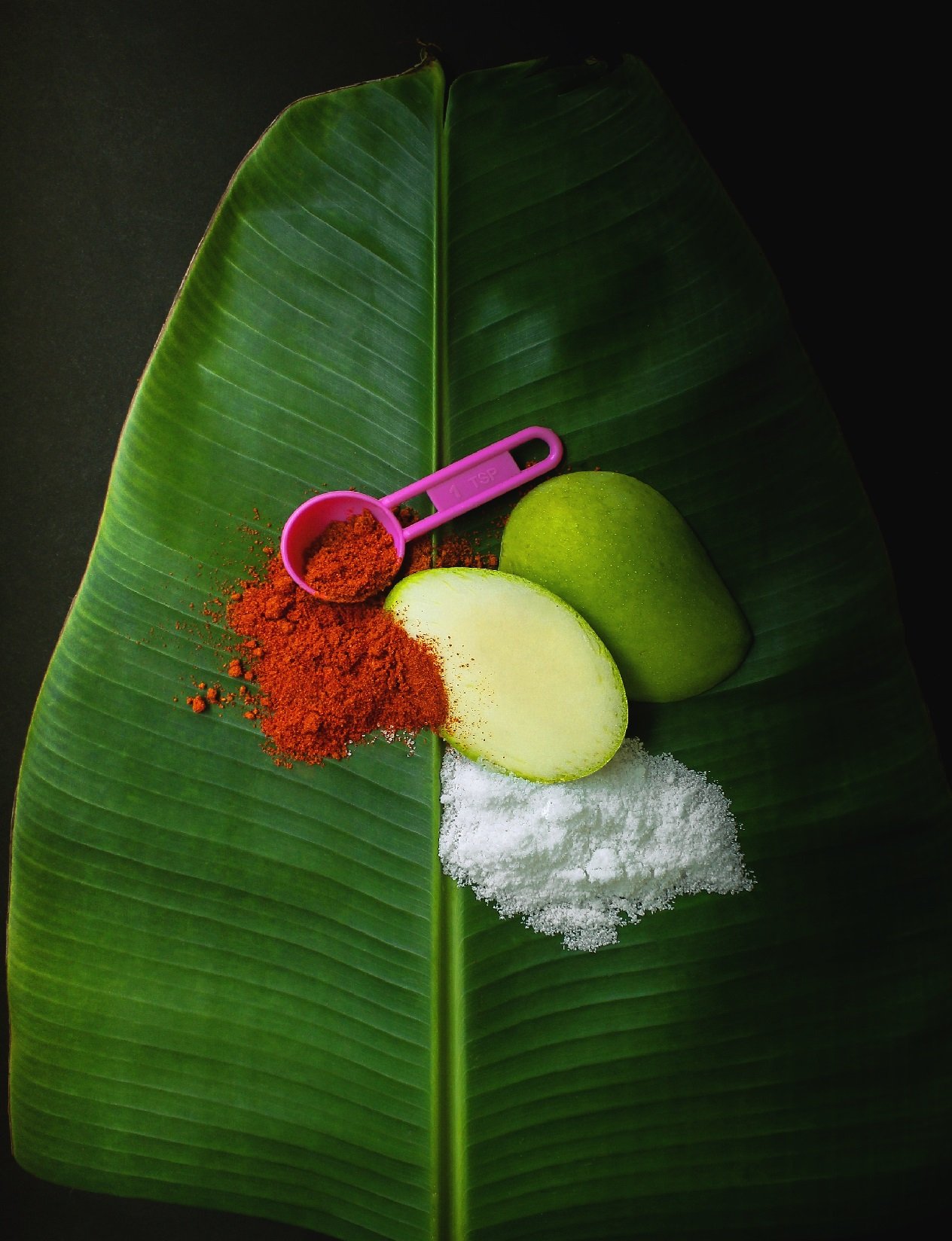
When it comes to culinary diversity and fusion of flavors, Indonesian and Indian cuisines stand out as vibrant representatives of their respective regions. The intersection of these two rich culinary traditions has given rise to a unique fusion of flavors that delights food enthusiasts around the world. In this blog post, we will delve into the influence of Indonesian cuisine on Indian culinary practices and the crucial role of inventory management in maintaining the authenticity and quality of dishes. **Indonesian Influence on Indian Cuisine:** The historical and cultural ties between Indonesia and India have played a significant role in shaping the culinary landscape of both countries. Indonesian cuisine is known for its robust flavors, aromatic spices, and diverse range of dishes that reflect the country's rich cultural heritage. Indian cuisine, on the other hand, is celebrated for its use of spices, herbs, and traditional cooking techniques that create complex and flavorful dishes. The fusion of Indonesian and Indian flavors can be seen in dishes like Nasi Goreng, an Indonesian fried rice dish that is often infused with Indian spices like cumin, coriander, and turmeric. Similarly, dishes like Rendang, a rich and flavorful Indonesian curry, showcase the influence of Indian spices and cooking methods. The exchange of culinary techniques and ingredients between these two cultures has resulted in a delightful blend of flavors that continues to evolve and innovate with time. From savory curries to fragrant rice dishes, the Indonesian influence on Indian cuisine adds a unique dimension to the culinary landscape of both regions. **The Importance of Inventory Management:** Inventory management plays a crucial role in the food industry, ensuring that restaurants and eateries have a steady supply of fresh ingredients to create authentic and flavorful dishes. In the context of Indonesian and Indian fusion cuisine, inventory management becomes even more critical due to the diverse range of spices, herbs, and specialty ingredients required to prepare these dishes. Effective inventory management involves maintaining accurate records of stock levels, tracking ingredient usage, and monitoring expiration dates to prevent wastage. By implementing efficient inventory management practices, restaurants can ensure that they have the necessary ingredients on hand to create signature dishes that showcase the fusion of Indonesian and Indian flavors. Furthermore, proper inventory management enables businesses to streamline their operations, reduce costs, and improve overall efficiency. By optimizing their inventory processes, restaurants can enhance the quality of their dishes, minimize waste, and provide a consistent dining experience for their customers. In conclusion, the fusion of Indonesian and Indian cuisines offers a delightful culinary experience that reflects the cultural richness and diversity of both regions. By embracing the unique flavors and cooking techniques of these two traditions and implementing effective inventory management practices, restaurants can create a seamless blend of Indonesian and Indian dishes that delight food lovers around the world. So, whether you're craving a spicy curry or a fragrant rice dish, Indonesian-Indian fusion cuisine is sure to tantalize your taste buds and leave you craving for more.
Leave a Comment:
SEARCH
Recent News
- Zurich, Switzerland is known for its multicultural atmosphere and diverse culinary scene. One of the lesser-known gems of Zurich's food scene is Sudanese cuisine. Sudanese cuisine is a reflection of the country's diverse cultural influences, blending Arabic, African, and Mediterranean flavors to create a unique and delicious culinary experience.
- Zurich, Switzerland: A Culinary Journey through Regional Cuisine
- Zurich, Switzerland is known for its stunning landscapes, rich history, and vibrant culture. However, another aspect of Zurich that shouldn't be overlooked is its diverse and delicious fast food scene. From traditional Swiss street food to international favorites, there is something to satisfy every craving in Zurich. Let's take a closer look at some of the popular fast food options you can find in this picturesque city.
- Zurich, Switzerland is known for its stunning natural beauty, vibrant arts scene, and strong economy. However, what many people may not know is that this dynamic city also offers a diverse culinary experience that includes delicacies from around the world. One such cuisine that has found a home in Zurich is Philippine cuisine.
- Zurich, Switzerland is known for its picturesque views, stunning architecture, and vibrant cultural scene. Located in the heart of Europe, Zurich offers a mix of traditional Swiss cuisine and international flavors. One particular cuisine that has been making waves in Zurich is Paraguayan cuisine.
- Zurich, Switzerland is a city known for its stunning views, picturesque streets, and vibrant culture. It is also a melting pot of diverse culinary influences, with a wide range of cuisines to choose from. One such cuisine that has made its mark in Zurich is Norwegian cuisine.
- Zurich, Switzerland, and Montreal, Canada, are two vibrant cities known for their distinct cultural characteristics. While Zurich is renowned for its picturesque landscapes, rich history, and high standard of living, Montreal is famous for its diverse population, vibrant arts scene, and mouth-watering cuisine. In this blog post, we will delve into the delectable culinary offerings of Montreal and explore how its unique food scene sets it apart from the culinary landscape of Zurich.
- Zurich, Switzerland is a vibrant city known for its stunning architecture, picturesque landscapes, and diverse culinary scene. While Swiss cuisine certainly holds a special place in the hearts of many locals and visitors, the city also boasts a variety of international dining options, including Latin American food.
READ MORE
11 months ago Category :

Zurich, Switzerland is known for its multicultural atmosphere and diverse culinary scene. One of the lesser-known gems of Zurich's food scene is Sudanese cuisine. Sudanese cuisine is a reflection of the country's diverse cultural influences, blending Arabic, African, and Mediterranean flavors to create a unique and delicious culinary experience.
Read More →11 months ago Category :

Zurich, Switzerland: A Culinary Journey through Regional Cuisine
Read More →11 months ago Category :

Zurich, Switzerland is known for its stunning landscapes, rich history, and vibrant culture. However, another aspect of Zurich that shouldn't be overlooked is its diverse and delicious fast food scene. From traditional Swiss street food to international favorites, there is something to satisfy every craving in Zurich. Let's take a closer look at some of the popular fast food options you can find in this picturesque city.
Read More →11 months ago Category :
