Exploring the Flavorful Connection: Indonesia and Indian Cuisine Diplomacy
Category : | Sub Category : Posted on 0000-00-00 00:00:00
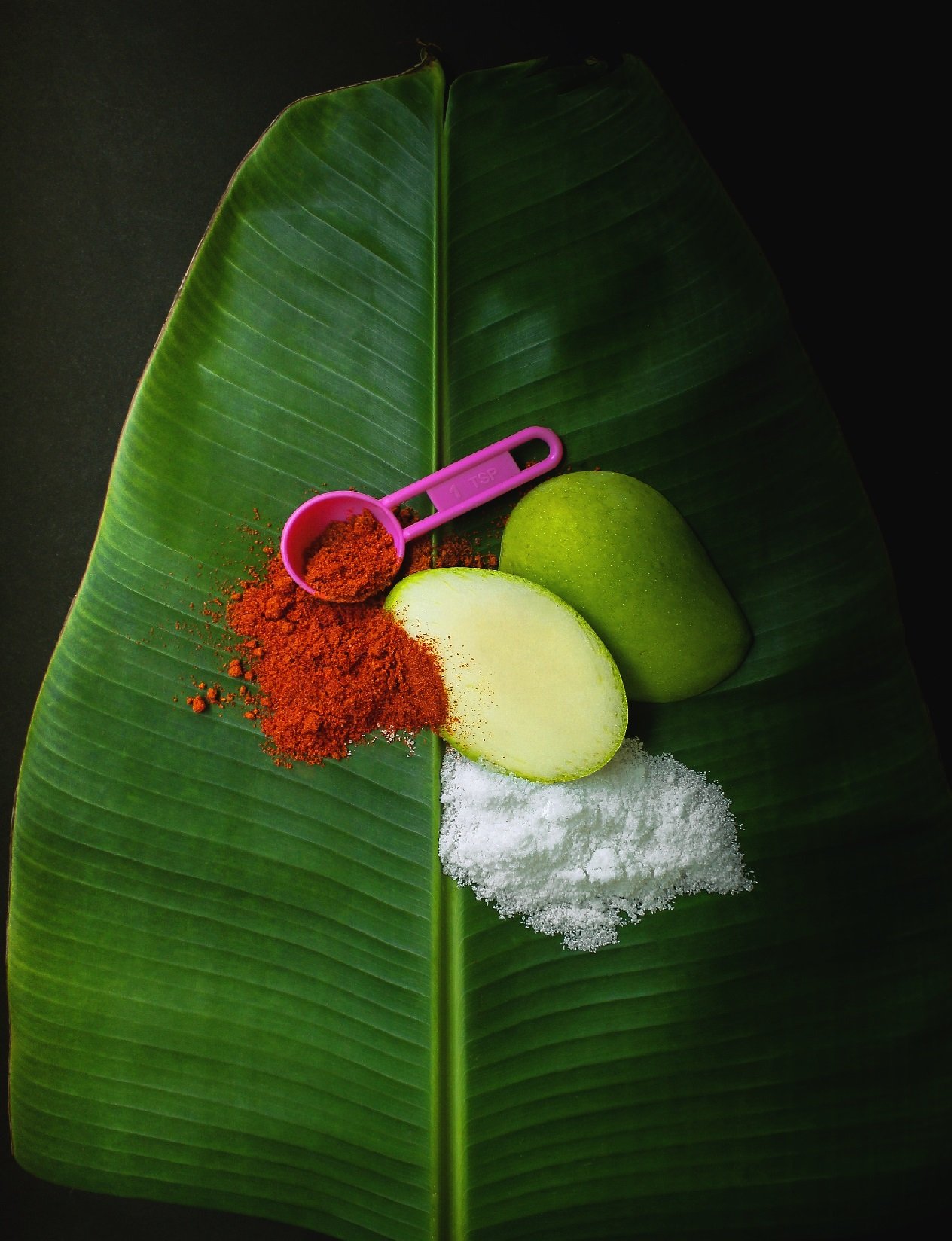
Indonesia and India are two culturally rich nations with a deep history of trade and diplomatic relations. While diplomacy usually involves discussions on policies and agreements, culinary diplomacy has also played a significant role in strengthening ties between countries. In this blog post, we will delve into the flavorful connection between Indonesia and Indian cuisine and how it has contributed to diplomatic relations between the two nations. **Culinary Diplomacy: A Tasty Approach to International Relations** Culinary diplomacy is a form of cultural diplomacy that utilizes the universal language of food to bridge cultural gaps and foster understanding between nations. It involves the exchange of culinary practices, ingredients, and flavors to promote mutual respect and appreciation. **The Fusion of Indonesian and Indian Flavors** Indonesian and Indian cuisines are known for their bold flavors, aromatic spices, and diverse dishes. The fusion of these two culinary traditions results in a delightful blend of sweet, savory, and spicy flavors that tantalize the taste buds. **Indonesian Influence on Indian Cuisine** Indonesia's influence on Indian cuisine can be seen in dishes like Nasi Goreng, an Indonesian-style fried rice that has become popular in India. Indonesian ingredients such as coconut milk, lemongrass, and galangal are also used in Indian cooking to add a unique twist to traditional dishes. **Indian Influence on Indonesian Cuisine** Indian flavors have also made their way into Indonesian cuisine, particularly in regions with a significant Indian diaspora. Dishes like biryani, samosas, and curries have been adapted to suit Indonesian tastes, resulting in a fusion of flavors that is both comforting and exciting. **The Role of Food in Diplomacy** Food has the power to bring people together, spark conversations, and create lasting memories. Through culinary diplomacy, Indonesia and India have been able to showcase their culinary heritage, promote cultural exchange, and build stronger bonds between their people. **Strengthening Diplomatic Relations Through Food** By sharing their culinary traditions with each other, Indonesia and India have been able to deepen their diplomatic relations and foster a sense of goodwill and understanding. Through food festivals, cooking demonstrations, and collaborative culinary events, both countries have been able to showcase the best of their cuisines and celebrate their shared love for good food. In conclusion, the flavorful connection between Indonesia and Indian cuisine serves as a delicious example of how food can transcend borders and bring people together. By embracing each other's culinary traditions, both countries have been able to strengthen their diplomatic relations and promote cultural exchange. As we continue to explore the rich tapestry of global flavors, let us remember that a shared meal can pave the way for a brighter and more harmonious future.
Leave a Comment:
SEARCH
Recent News
- Zurich, Switzerland is known for its multicultural atmosphere and diverse culinary scene. One of the lesser-known gems of Zurich's food scene is Sudanese cuisine. Sudanese cuisine is a reflection of the country's diverse cultural influences, blending Arabic, African, and Mediterranean flavors to create a unique and delicious culinary experience.
- Zurich, Switzerland: A Culinary Journey through Regional Cuisine
- Zurich, Switzerland is known for its stunning landscapes, rich history, and vibrant culture. However, another aspect of Zurich that shouldn't be overlooked is its diverse and delicious fast food scene. From traditional Swiss street food to international favorites, there is something to satisfy every craving in Zurich. Let's take a closer look at some of the popular fast food options you can find in this picturesque city.
- Zurich, Switzerland is known for its stunning natural beauty, vibrant arts scene, and strong economy. However, what many people may not know is that this dynamic city also offers a diverse culinary experience that includes delicacies from around the world. One such cuisine that has found a home in Zurich is Philippine cuisine.
- Zurich, Switzerland is known for its picturesque views, stunning architecture, and vibrant cultural scene. Located in the heart of Europe, Zurich offers a mix of traditional Swiss cuisine and international flavors. One particular cuisine that has been making waves in Zurich is Paraguayan cuisine.
- Zurich, Switzerland is a city known for its stunning views, picturesque streets, and vibrant culture. It is also a melting pot of diverse culinary influences, with a wide range of cuisines to choose from. One such cuisine that has made its mark in Zurich is Norwegian cuisine.
- Zurich, Switzerland, and Montreal, Canada, are two vibrant cities known for their distinct cultural characteristics. While Zurich is renowned for its picturesque landscapes, rich history, and high standard of living, Montreal is famous for its diverse population, vibrant arts scene, and mouth-watering cuisine. In this blog post, we will delve into the delectable culinary offerings of Montreal and explore how its unique food scene sets it apart from the culinary landscape of Zurich.
- Zurich, Switzerland is a vibrant city known for its stunning architecture, picturesque landscapes, and diverse culinary scene. While Swiss cuisine certainly holds a special place in the hearts of many locals and visitors, the city also boasts a variety of international dining options, including Latin American food.
READ MORE
11 months ago Category :

Zurich, Switzerland is known for its multicultural atmosphere and diverse culinary scene. One of the lesser-known gems of Zurich's food scene is Sudanese cuisine. Sudanese cuisine is a reflection of the country's diverse cultural influences, blending Arabic, African, and Mediterranean flavors to create a unique and delicious culinary experience.
Read More →11 months ago Category :

Zurich, Switzerland: A Culinary Journey through Regional Cuisine
Read More →11 months ago Category :

Zurich, Switzerland is known for its stunning landscapes, rich history, and vibrant culture. However, another aspect of Zurich that shouldn't be overlooked is its diverse and delicious fast food scene. From traditional Swiss street food to international favorites, there is something to satisfy every craving in Zurich. Let's take a closer look at some of the popular fast food options you can find in this picturesque city.
Read More →11 months ago Category :
