Exploring the Delicious Similarities and Differences of Indonesian, Indian, and Bangladeshi Cuisine
Category : | Sub Category : Posted on 0000-00-00 00:00:00
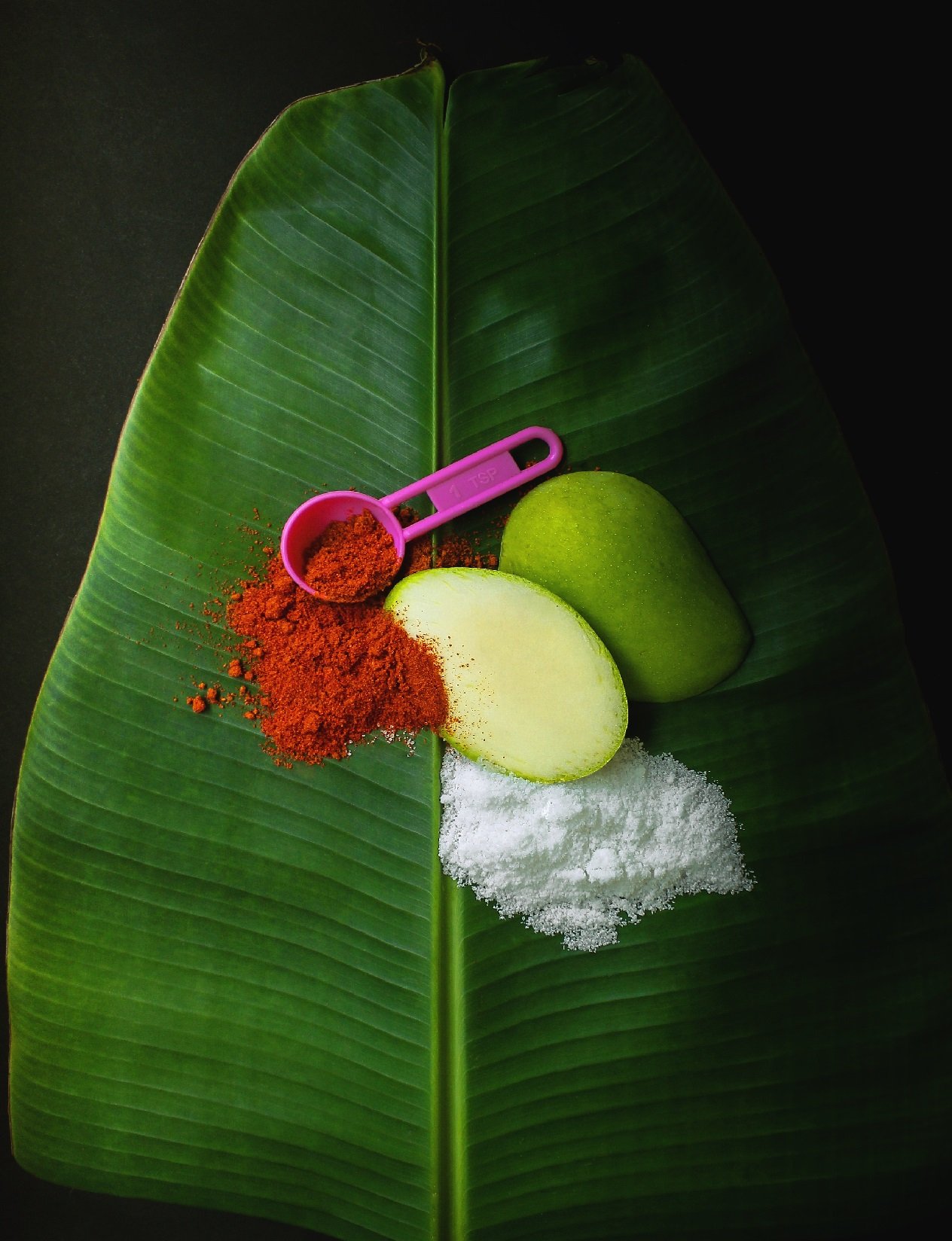
When it comes to discovering the diverse and delicious world of cuisine, few regions offer the rich tapestry of flavors and ingredients like Indonesia, India, and Bangladesh. Each country boasts its own unique culinary traditions, influenced by factors such as history, culture, geography, and local ingredients. In this blog post, we will delve into the fascinating similarities and differences between Indonesian, Indian, and Bangladeshi cuisine, highlighting the flavors that define each culinary tradition. Indonesian Cuisine: Indonesian cuisine is renowned for its vibrant and aromatic dishes that showcase a wide variety of spices, herbs, and ingredients. Rice is a staple food in Indonesia, often accompanied by flavorful curries, stir-fries, and sambals. Coconut milk, lemongrass, kaffir lime leaves, and galangal are commonly used in Indonesian cooking, giving dishes a unique and fragrant taste profile. Popular Indonesian dishes include Nasi Goreng (fried rice), Sate (skewered and grilled meat), and Rendang (a rich and spicy beef stew). Indian Cuisine: Indian cuisine is as diverse as the country itself, with each region offering a unique culinary experience. Known for its bold flavors and intricate spice blends, Indian dishes often feature a mix of sweet, savory, and spicy notes. Staple ingredients in Indian cooking include cumin, coriander, turmeric, and garam masala. Dishes like Butter Chicken, Biryani, and Masala Dosa have gained international acclaim for their rich flavors and aromatic appeal. Indian cuisine also offers a wide variety of vegetarian options, with dishes like Dal (lentil curry) and Palak Paneer (spinach and cheese curry) being popular choices. Bangladeshi Cuisine: Bangladeshi cuisine shares similarities with both Indian and Pakistani culinary traditions, while also incorporating unique local flavors and ingredients. Rice is a staple in Bangladeshi cuisine, often accompanied by flavorful curries, lentil dishes, and fish preparations. Mustard oil, panchphoron (five-spice blend), and dried fish are common ingredients used in Bangladeshi cooking, adding depth and complexity to dishes. Popular Bangladeshi dishes include Biryanis, Bhuna Khichuri (a mixed rice dish), and Hilsha fish preparations. Despite the distinct characteristics of Indonesian, Indian, and Bangladeshi cuisine, there are also notable similarities that highlight the shared culinary heritage of the region. For example, the use of rice as a staple ingredient, the emphasis on aromatic spices and herbs, and the importance of communal dining are all common threads that bind these culinary traditions together. In conclusion, exploring the flavors of Indonesian, Indian, and Bangladeshi cuisine offers a fascinating journey into the culinary world of South Asia. From the fragrant curries of Indonesia to the spicy delicacies of India and the seafood-rich dishes of Bangladesh, each country's cuisine tells a story of history, culture, and culinary expertise. Whether you are a fan of bold flavors, fragrant spices, or comforting dishes, Indonesian, Indian, and Bangladeshi cuisine are sure to tantalize your taste buds and leave you craving more.
Leave a Comment:
SEARCH
Recent News
- Zurich, Switzerland is known for its multicultural atmosphere and diverse culinary scene. One of the lesser-known gems of Zurich's food scene is Sudanese cuisine. Sudanese cuisine is a reflection of the country's diverse cultural influences, blending Arabic, African, and Mediterranean flavors to create a unique and delicious culinary experience.
- Zurich, Switzerland: A Culinary Journey through Regional Cuisine
- Zurich, Switzerland is known for its stunning landscapes, rich history, and vibrant culture. However, another aspect of Zurich that shouldn't be overlooked is its diverse and delicious fast food scene. From traditional Swiss street food to international favorites, there is something to satisfy every craving in Zurich. Let's take a closer look at some of the popular fast food options you can find in this picturesque city.
- Zurich, Switzerland is known for its stunning natural beauty, vibrant arts scene, and strong economy. However, what many people may not know is that this dynamic city also offers a diverse culinary experience that includes delicacies from around the world. One such cuisine that has found a home in Zurich is Philippine cuisine.
- Zurich, Switzerland is known for its picturesque views, stunning architecture, and vibrant cultural scene. Located in the heart of Europe, Zurich offers a mix of traditional Swiss cuisine and international flavors. One particular cuisine that has been making waves in Zurich is Paraguayan cuisine.
- Zurich, Switzerland is a city known for its stunning views, picturesque streets, and vibrant culture. It is also a melting pot of diverse culinary influences, with a wide range of cuisines to choose from. One such cuisine that has made its mark in Zurich is Norwegian cuisine.
- Zurich, Switzerland, and Montreal, Canada, are two vibrant cities known for their distinct cultural characteristics. While Zurich is renowned for its picturesque landscapes, rich history, and high standard of living, Montreal is famous for its diverse population, vibrant arts scene, and mouth-watering cuisine. In this blog post, we will delve into the delectable culinary offerings of Montreal and explore how its unique food scene sets it apart from the culinary landscape of Zurich.
- Zurich, Switzerland is a vibrant city known for its stunning architecture, picturesque landscapes, and diverse culinary scene. While Swiss cuisine certainly holds a special place in the hearts of many locals and visitors, the city also boasts a variety of international dining options, including Latin American food.
READ MORE
11 months ago Category :

Zurich, Switzerland is known for its multicultural atmosphere and diverse culinary scene. One of the lesser-known gems of Zurich's food scene is Sudanese cuisine. Sudanese cuisine is a reflection of the country's diverse cultural influences, blending Arabic, African, and Mediterranean flavors to create a unique and delicious culinary experience.
Read More →11 months ago Category :

Zurich, Switzerland: A Culinary Journey through Regional Cuisine
Read More →11 months ago Category :

Zurich, Switzerland is known for its stunning landscapes, rich history, and vibrant culture. However, another aspect of Zurich that shouldn't be overlooked is its diverse and delicious fast food scene. From traditional Swiss street food to international favorites, there is something to satisfy every craving in Zurich. Let's take a closer look at some of the popular fast food options you can find in this picturesque city.
Read More →11 months ago Category :
